
Blog
Set It Up Before You Need It: Why Contractors Should Have a Restoration Partner on Retainer Every painting, roofing, and coating contractor plans for risk. You carry general liability coverage. You have a safety plan, a crew briefing, and probably a stop-work rule for high winds. But when it comes to what happens after an overspray incident, most contractors don’t have a plan at all. They wait until the call comes in, then start searching for someone who can help. That gap costs time, money, and sometimes the relationship with your carrier. The contractors who handle overspray incidents cleanly are usually the ones who chose their restoration partner long before they needed one. The Problem With Finding a Vendor in the Middle of an Incident When overspray lands on a parking lot full of vehicles or the side of a neighboring building, the clock starts immediately. Property owners are upset, your crew is unsure what to do, and every hour that passes gives someone more time to grab a rag and make the damage worse. Searching for a vendor in that moment puts you at a disadvantage. You don’t know whose documentation will hold up with your carrier, who can actually mobilize to your job site, or whether the first company that answers will recommend a repaint when restoration would have worked. Decisions made under pressure tend to be expensive ones. What It Means to Have a Partner on Retainer Having a restoration partner on retainer simply means the relationship is in place before an incident happens. You know who to call, they know your business, and the process is already agreed on. In practice, that looks like: One phone number saved in every foreman’s phone and listed in your site safety plan A clear understanding of how the partner documents damage and communicates with your carrier Confirmed coverage for every region where you work, including out-of-state jobs A response process your crew can follow without guessing It is the same logic behind lining up your GL carrier before you start a job. You don’t shop for insurance after the accident. Why It Protects Your Liability Position The first hour after an overspray incident shapes the entire claim. When your crew knows exactly who to call, the response is faster, the surfaces stay untouched, and documentation starts while the evidence is fresh. That record protects you if the scope is disputed later or if the claim grows after a full inspection. A specialist who restores rather than repaints also keeps the claim smaller. Lower claim severity means less impact on your loss history, and a cleaner loss history matters when your policy comes up for renewal. Why Your Carrier Will Appreciate It Carriers want predictability. A contractor who already has a qualified restoration partner in place gives the adjuster one point of contact, consistent documentation, and a resolution path built around restoration instead of replacement. That shortens cycle times, reduces loss-of-use costs, and keeps the file from turning into a stack of mismatched body shop estimates. It also shows your carrier that you take risk management seriously, which is never a bad impression to leave with the company that insures you. Why It Protects Your Reputation Overspray incidents usually affect people who had nothing to do with your project: neighbors, business owners, employees in a nearby lot. How quickly and professionally the situation gets resolved is what they will remember. A partner who shows up fast, communicates clearly, and returns their property to its original condition helps you keep good standing in the communities where you work and bid future jobs. How to Build It Into Your Safety Plan Adding a restoration partner to your safety plan takes very little effort: Choose a partner with nationwide coverage so every job site is protected. Add their number to your emergency contacts, job site binders, and crew briefings. Train foremen on the basics: stop the source, don’t touch the surfaces, document, and call. Share your partner’s information with your GL carrier so everyone is aligned before anything happens. The Bottom Line You can’t control every gust of wind, but you can control how prepared you are when one catches your material. Setting up a restoration partner before you need one turns a stressful, expensive scramble into a single phone call with a plan already behind it. Want to make Just Like New Overspray part of your safety plan? We provide nationwide, rapid response restoration for vehicles and property, with documentation your carrier can rely on. Call 1-866-746-1445 or visit JLNOverspray.com.
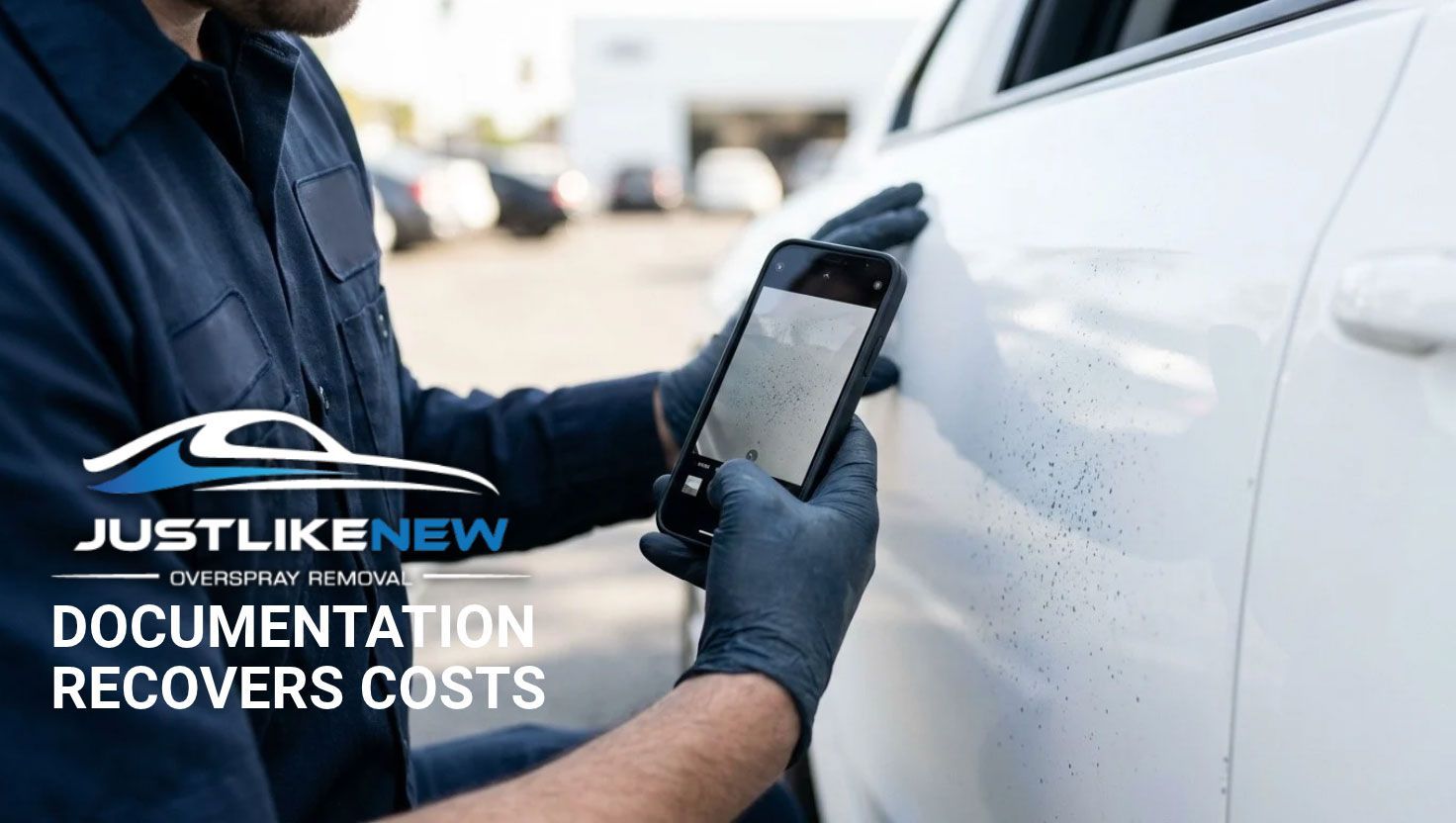
When an overspray incident happens, most of the attention goes to resolving the claim itself: getting vehicles or property back to pre-loss condition, keeping the insured relationship intact, closing the file. But there is a second opportunity sitting inside every overspray claim that often gets left on the table: subrogation. If a contractor's overspray damaged third-party vehicles or property, the carrier that pays out on that claim may be able to recover those costs from the party responsible. Whether that recovery happens often comes down to one thing: the quality of the documentation collected on day one. Claim-Ready Documentation Is Not the Same as Subrogation-Ready Documentation Most documentation standards are built to answer one question: what is the scope of damage? That is enough to process a claim. It is not enough to prove who caused it and why they are liable. Subrogation-ready documentation answers a second set of questions: What was the source of the overspray, identified specifically enough to name the responsible party What conditions were present at the time (wind, weather, proximity, timing) that establish how the incident occurred What evidence ties the contaminant on the affected surfaces to that specific source, rather than a general or disputed cause Without that second layer, a carrier may have a well-documented claim and still have no real path to recovery. What Subrogation-Ready Documentation Looks Like A restoration specialist who understands the subrogation process builds the file differently from the start: High-resolution photos and video of every affected surface, taken before anything is touched or cleaned Site conditions recorded at the time of the incident, including wind, weather, and proximity to the source Material identification, since paint, epoxy, and spray foam behave differently and leave different signatures A clear chain of custody from first photo to completed restoration, with no gaps a defense attorney can exploit Itemized, transparent invoicing that separates restoration costs from any unrelated work This is the difference between a file that says "damage occurred" and a file that says "damage occurred, here is the source, here is the evidence, and here is what it cost to fix." Why This Matters Even When the Contractor Cooperates Even in incidents where the responsible contractor is cooperative and their carrier is not disputing fault, strong documentation shortens the subrogation timeline. Clean, complete files move through recovery faster and with fewer supplemental requests. In contested cases, that same documentation is often the deciding factor in whether recovery happens at all. The Bottom Line Subrogation potential is built in the first hour of an overspray incident, not after the fact. The specialist you call to restore the damage is also, in effect, building your recovery case. Choosing a partner who documents with subrogation in mind protects the payout on the front end and the recovery on the back end. If your team is managing an overspray or fallout claim and wants documentation built to support both restoration and subrogation, call Just Like New Overspray at 1-866-746-1445 or visit JLNOverspray.com.
Every contractor who works with paint, epoxy, spray foam, or industrial coatings knows the feeling. The wind shifts, a nozzle malfunctions, or containment slips for just a few minutes, and suddenly vehicles or property nearby are covered in overspray that was never supposed to be there. What you do in the next hour can determine whether this becomes a minor line item on a claim or a drawn out dispute that follows your business for months. Here is how to protect your liability position and set the claim up for a fast, fair resolution. Stop the Source First Before anything else, shut down whatever is causing the overspray. Continuing to work while damage is spreading only adds more affected surfaces to the claim and makes the incident harder to defend later. A contained, one-time event is always easier to resolve than an ongoing one. Do Not Let Anyone Touch the Affected Surfaces This is the step that causes the most damage after the fact. Well meaning crew members, property owners, or vehicle owners will often grab a rag, a solvent, or a scrub pad and try to wipe the material off immediately. On cured epoxy, spray foam, or paint, this almost always makes things worse. Scrubbing creates swirl marks, solvents can soften or stain the clear coat, and partial removal can leave a shadow that requires a full repaint. Once that happens, the claim severity goes up and so does the argument that your crew caused additional harm. Leave the surfaces exactly as they are. Document Everything on Site Before you leave the area, take clear photos and video of every affected surface, the surrounding conditions, and anything that helps establish scope. Note the time, weather, wind conditions if relevant, and the material involved. This record protects you if the claim is later disputed or if the scope grows once a full inspection is done. The more complete your documentation, the less room there is for disagreement down the line. Notify Your Liability Carrier Right Away Report the incident to your general liability carrier as soon as possible, even if the damage looks minor at first glance. Delayed reporting can complicate coverage and puts you in a weaker position if the claim expands once every affected surface is identified. Give your carrier the same documentation you collected on site. Call a Specialist, Not a Body Shop This is the step that has the biggest impact on how the claim resolves. Overspray on a vehicle or property does not require a repaint in the vast majority of cases. A restoration specialist can often remove the contaminant and return the surface to its original condition without sanding, stripping, or repainting. That keeps the claim smaller, keeps your insured relationship intact, and avoids the extended downtime that comes with body shop scheduling. Loop in your carrier on this recommendation directly, since it works in their favor as much as yours. Let One Team Handle the Whole Incident If the overspray affected more than a handful of vehicles or a larger section of property, resist the urge to split the cleanup across multiple vendors just to move faster. A single restoration partner who can assess, document, and resolve the entire incident keeps the story consistent, keeps documentation uniform, and gives your carrier one point of contact instead of a pile of mismatched estimates. The Bottom Line An overspray incident does not have to threaten your reputation or your relationship with your insurer. The contractors who come out of these situations cleanly are the ones who stop the source, protect the evidence, report quickly, and bring in a specialist before anyone touches the damage. Handle the first hour right, and the rest of the claim tends to take care of itself. If your crew has an overspray incident on a job site, call Just Like New Overspray before anyone reaches for a rag. We provide nationwide, rapid response restoration for vehicles and property, with documentation your carrier can rely on. Call 1-866-746-1445 or visit JLNOverspray.com.
When a single vehicle comes across your desk with overspray damage, the path is familiar. But when a contractor's paint job or an industrial release drifts across an entire parking lot and suddenly you are looking at a claim covering hundreds of vehicles at once, the math changes fast. Large multi-vehicle overspray claims are where costs, cycle times, and loss-of-use payouts can spiral if the incident is not handled the right way. Here is how the smart resolution path works, and why the vendor you assign makes all the difference. Why Large Claims Get Expensive So Quickly A claim covering hundreds of vehicles carries costs that a single-vehicle claim never does. Every day those vehicles sit idle, loss-of-use charges accrue across the entire lot at once. Route the vehicles to body shops one at a time, and the cycle stretches into weeks while rentals and downtime payouts climb. And if those shops default to sanding and repainting when the contaminant could have been safely removed, the repair cost per vehicle balloons unnecessarily. Multiply any of those inefficiencies across a parking lot full of vehicles and a manageable claim becomes a major payout. The On-Site Advantage The fastest way to control a large claim is to bring the solution to the vehicles rather than scatter them across town. A mobile overspray specialist can mobilize to the site, assess every affected unit in one coordinated visit, and restore hundreds of vehicles on location, often within a single day. Instead of a repaint, trained technicians safely remove the contaminant and return each surface to its original condition. For the carrier, that means a dramatically shorter cycle time, far lower loss-of-use exposure, and a repair approach that reflects the true scope of the damage rather than an inflated one. An Accurate Scope Protects Everyone One of the biggest risks in a large claim is an inaccurate valuation, in either direction. An inflated scope overpays. An incomplete one invites disputes and supplements down the line. A specialist assessment documents every affected surface with expert-level detail, pins down the source for liability and subrogation purposes, and produces a defensible scope you can stand behind. That accuracy is what keeps a lot full of damaged vehicles from turning into a drawn-out negotiation. One Point of Contact From First Photo to Completed Repairs Coordinating a large overspray incident across hundreds of vehicles, multiple shops, and a stressed policyholder is a heavy lift. The advantage of assigning a dedicated overspray partner is that the entire incident runs through one team: documentation, source identification, accurate valuation, direct coordination with your file, and full restoration through completion of repairs and final inspection. You get a single point of contact and a clean, well-documented resolution instead of a sprawling file with a dozen moving parts. Because a parking lot full of damaged vehicles does not have to be a resolution nightmare. With the right specialist on site, it can be one claim, one lot, and one day. Handling a large multi-vehicle overspray claim right now? Assign it to a team that resolves the whole incident on-site, nationwide. Call JLN Overspray at 1-866-746-1445 or visit JLNOverspray.com.
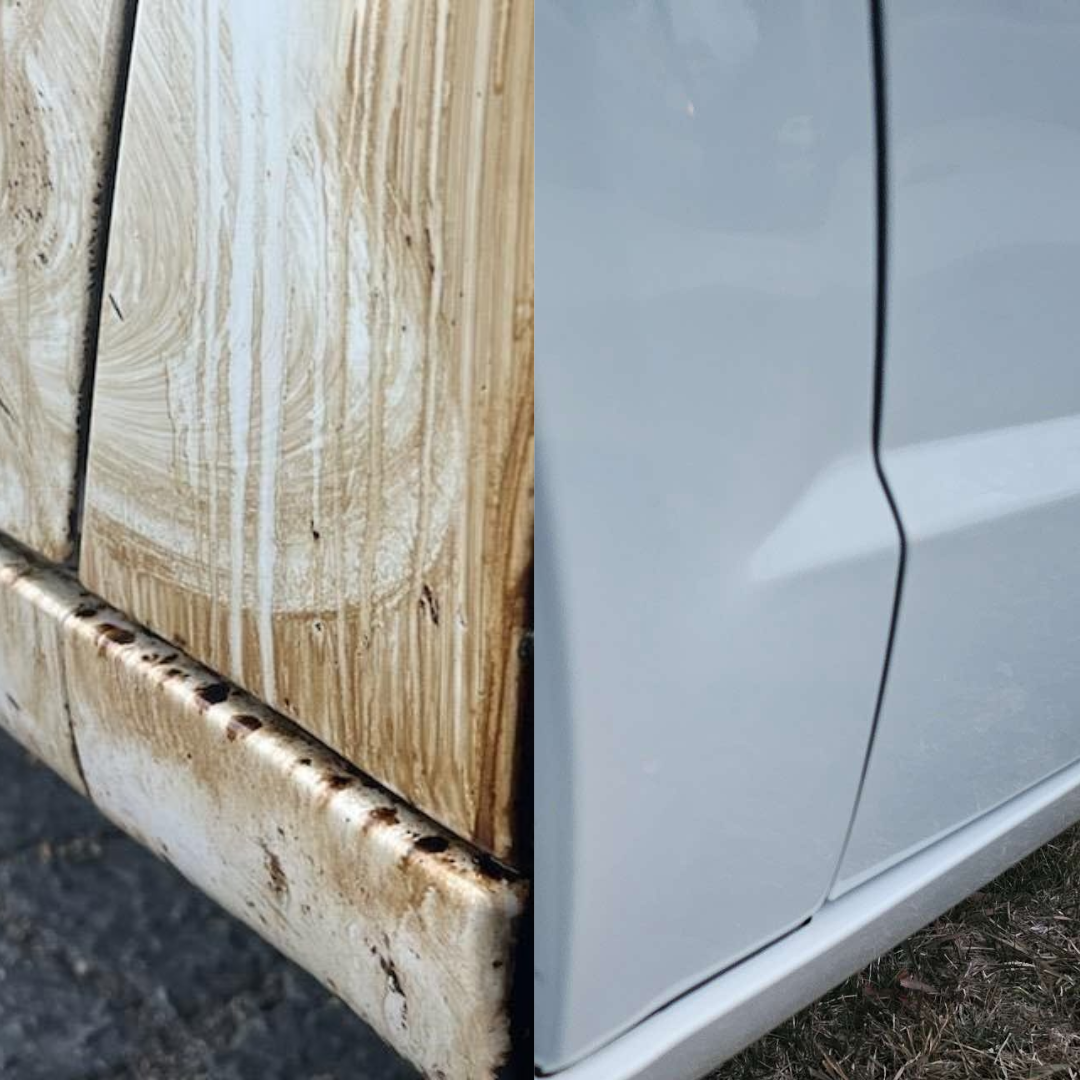
An overspray complaint can land on your desk fast. A paint contractor finishes a job on a commercial building, the wind shifts, and suddenly a parking lot full of vehicles is covered in a fine mist of dried paint. The phone calls start. The claim opens. And the decisions made in those first few hours can either keep the situation manageable or turn it into a costly, drawn-out headache.
When an insurance adjuster receives a file for a vehicle covered in industrial epoxy, urethane, or construction grade spray foam, the initial instinct is often to send it to a body shop. The resulting estimate—which usually includes a full strip and repaint—frequently exceeds the vehicle’s actual cash value (ACV), leading to a Total Loss designation. At Just Like New Overspray Removal, we believe that in 95% of these cases, "Total Loss" is a myth. Choosing restoration over replacement isn't just a technical preference; it is a strategic financial decision for insurance carriers. Here is why savvy adjusters are pivoting away from body shops for overspray claims. 1. Drastic Reduction in Claim Payouts The math is simple. A professional repaint for a modern vehicle often ranges from $6,000 to $12,000+, depending on the number of panels affected and the complexity of the clear coat. Our specialized restoration process typically costs a fraction of a full repaint. By removing the contaminant without compromising the factory finish, we help adjusters close files for significantly less than the cost of a body shop estimate. 2. Eliminating "Loss of Use" and Rental Costs Body shops are currently facing record-breaking backlogs. A vehicle scheduled for a full repaint might sit on a lot for 3 to 6 weeks. For the insurance company, that means 30+ days of rental car coverage or "Loss of Use" payouts. The Just Like New Advantage: Our mobile teams provide nationwide rapid response. We perform the restoration on-site, usually completing the job in a single day. We don’t just save you money on the repair; we virtually eliminate the rental car bill. 3. Preserving the Factory Finish (and Resale Value) Once a vehicle is repainted, it is no longer "original." Repainting can trigger Diminished Value claims because the factory-baked finish is superior to any aftermarket spray. Our proprietary removal techniques safely "release" the bond of the overspray from the clear coat. This leaves the original, factory-hardened paint intact. For the claimant, their car stays original. For the insurer, the risk of a secondary Diminished Value claim is removed. 4. Documentation That Withstands Audits We understand that insurance adjusters don't just need a clean car—they need a paper trail. Our team provides: Comprehensive Photo Documentation: High-resolution "Before" and "After" shots of every affected surface. Detailed Invoicing: Transparent line items that make internal audits seamless. Nationwide Service: One point of contact for claims occurring anywhere in the United States. The Bottom Line: Restoration is the Future of Claims Management When your insured contractor has an accident that affects a fleet of vehicles or a high-value asset, don't default to the most expensive option. Restore, don't replace. Just Like New Overspray Removal is the preferred partner for major carriers because we focus on the same goals you do: Accuracy, Efficiency, and Cost-Effectiveness. Ready to Lower Your Next Claim Payout? Don't authorize that repaint estimate just yet. Contact our Insurance Claims Division today for a professional assessment. Call 1-866-746-1445 or Contact Us Online
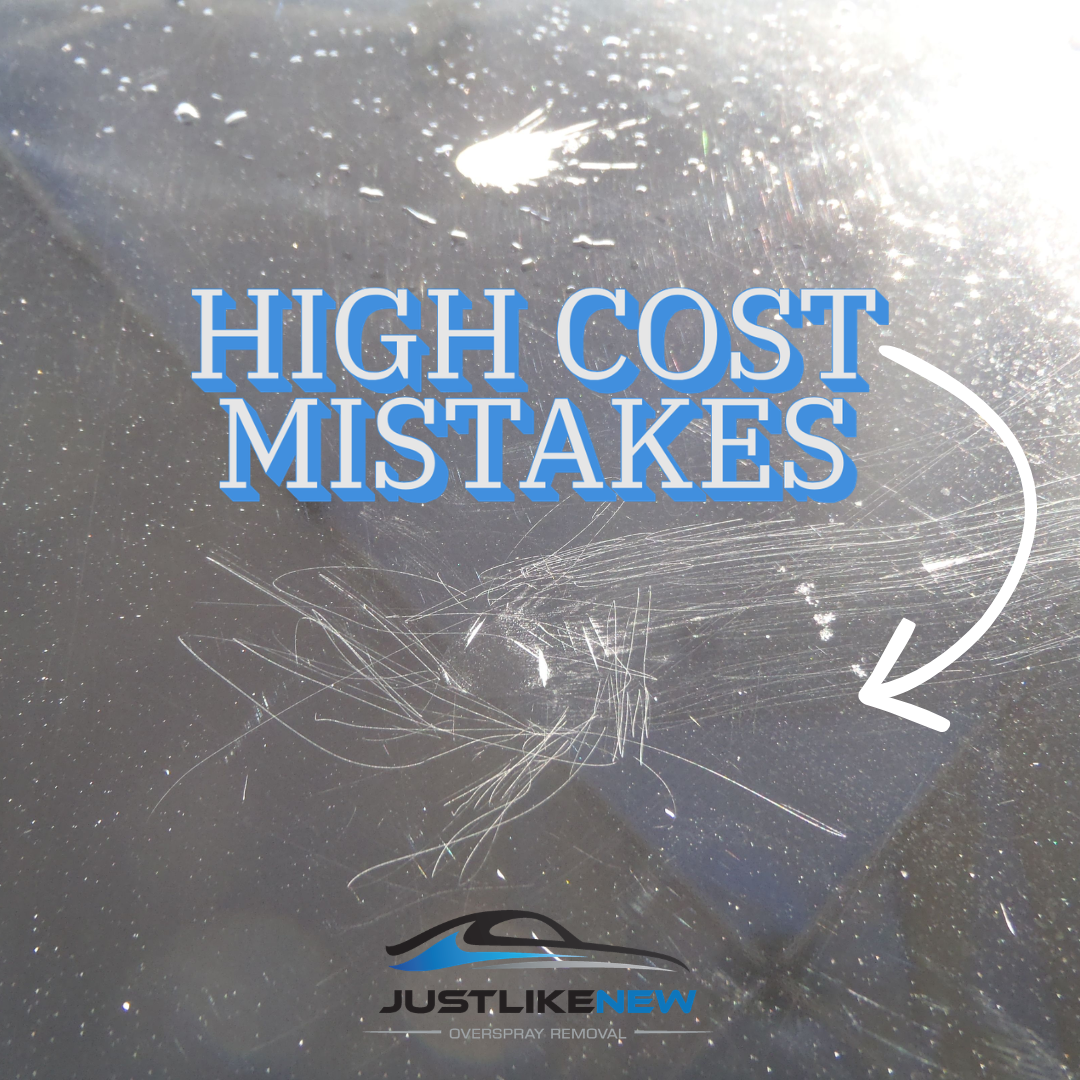
When a contractor’s spray foam drifts onto a parking lot or an industrial painting project leaves a fine mist on a fleet of vehicles, the natural instinct is to react quickly. Many vehicle owners or job site foremen reach for the nearest "cleaning" tool—a kitchen scrub pad, a magic eraser, or even harsh industrial solvents—to try and wipe the problem away. At Just Like New Overspray Removal , we’ve seen these “quick fixes” turn a simple restoration into a total loss. The Science of the Damage: Why Scrubbing is a Trap Modern automotive clear coats and building finishes are designed to be durable, but they aren't invincible. When you use abrasive materials or unvetted chemicals to remove bonded contaminants like epoxy, urethane, or spray foam, you often cause secondary damage: Abrasive Swirls: Household "scrubby" pads create deep micro-scratches that dull the paint and require professional machine polishing to fix. Chemical Burns: Strong solvents can "soften" the clear coat, leading to permanent staining or peeling. The "Shadow" Effect: Removing the top layer of a contaminant while leaving the "footprint" bonded to the surface often necessitates a full repaint. By attempting a DIY fix, you aren't just cleaning a car; you are often doubling the cost of the claim by destroying the factory finish that was actually salvageable. Streamlined Claims Management for Insurance Carriers Our process is built on the philosophy of restoration over replacement. This approach is why we are the preferred choice for insurance companies. We understand the complexities of different claim types and work directly with specialized departments to ensure a seamless experience. We provide dedicated support for: Auto Physical Damage Claims: Restoring vehicles to pre-loss condition without the need for body shop repaints. Construction & General Liability Claims: Mitigating large-scale incidents caused by overspray or industrial fallout on third-party property. Specialty & Property Claims: Expert restoration for high-value assets, including buildings and planes, where traditional cleaning methods fail. Why Just Like New is the Professional Choice Nationwide Rapid Response: No matter where the incident occurs, our mobile teams are equipped to handle the restoration on-site. Direct Coordination: We work directly with insurance claims departments to provide accurate documentation, transparent pricing, and timely restoration. This reduces the "loss of use" time and ensures all parties are satisfied with the result. Versatile Expertise: While we are known for vehicles, our expertise extends to buildings, heavy equipment, and even aircraft. Don’t Touch it—Just Call Us If you discover overspray on your property, the best thing you can do is nothing. Leave the material as it is, document the site, and call the experts. Whether you are managing a general liability claim for a contractor or an auto physical damage claim for a fleet, Just Like New Overspray Removal provides the professional, nationwide service you need to make it right.
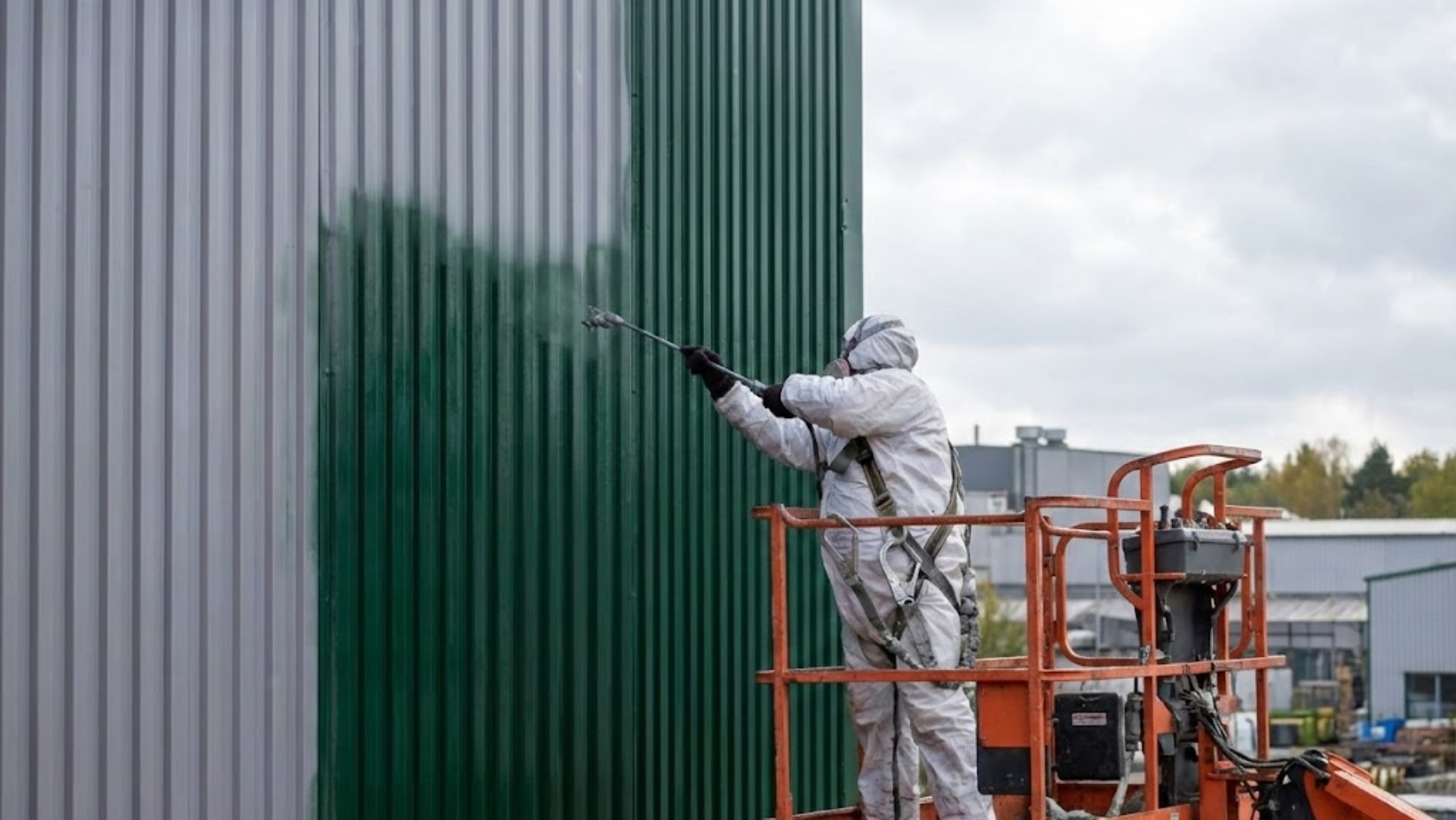
Whether you are applying spray foam insulation on a commercial roof, coating a marine vessel with heavy epoxy , or spraying standard architectural paint , efficiency is the name of the game. But as every veteran contractor knows, high-performance materials carry high-performance risks. One sudden gust of wind can turn a profitable day into a logistical nightmare. And unlike standard house paint, materials like polyurethane foam and industrial epoxy cure instantly and adhere aggressively, making them incredibly difficult to remove without professional help. At Just Like New Overspray Removal , we’ve seen it all—from foam speckles on a dealership’s inventory to iron dust rusting on a white work truck. Here are 5 critical prevention tips to keep your next project profitable and claim-free. 1. Don’t Trust the Weather App Most contractors check the weather app on their phone before starting the day. The problem? That data usually comes from the nearest airport, which could be 20 miles away. The Reality: Wind tunnels created by city buildings or open fields can create gusts far higher than the regional forecast. The Fix: Use a handheld anemometer on the actual job site. Establish a hard stop-work rule (usually sustained winds over 10-12 mph) and stick to it. If you are spraying lightweight materials like foam, your wind tolerance should be even lower. 2. Know Your Material’s "Air Time" Different contaminants behave differently once they leave the nozzle. "Dry Fall" Paint: The myth is that it dries to a dust within 10 feet. In high humidity or cool temps, that droplet stays wet much longer, risking damage to cars 50+ feet away. Spray Foam: Foam is incredibly light and can drift hundreds of yards on a breeze. Worse, it cures immediately upon landing, bonding to clear coats instantly. Epoxy & Urethane: These heavier materials don't drift as far as foam, but they don't dry quickly in the air. They land wet and cure hard, often requiring specialized chemical removal. Pro Tip: Always perform a test spray at the start of the shift to see how your specific material is behaving in the current humidity and temperature. 3. Expand Your Perimeter (The "Invisible" Drift) You roped off the area directly under the lift. You covered the cars in the immediate lot. But did you check the dealership three blocks away? The Physics: The lighter the particle, the further it travels. We frequently handle claims where spray foam or industrial fallout (like cement dust or sandblasting residue) traveled over a quarter-mile before settling. The Fix: Before you trigger the gun, walk the deep perimeter. Look for high-risk targets downwind. If you can't move the cars, covering them is always cheaper than cleaning them. 4. Dial in Your Equipment Overspray is essentially wasted money—material that you bought that didn't end up on the surface. Minimizing waste also minimizes risk. Check Your Tips: Worn spray tips distort patterns and increase "fines" (fog). Swapping out a cheap tip keeps your pattern tight. Watch the Pressure: Cranked-up pressure atomizes material into finer particles, which drift easier. Use the lowest pressure necessary to achieve a good application. 5. Have a Remediation Plan Before You Spray Even with the best containment and planning, accidents happen. The difference between a minor hiccup and a lawsuit is how you handle it. The Mistake: When crews see epoxy or foam on a car, they panic. They often try to scrub it off with solvents, razor blades, or kitchen scrubbers. This is where the real damage happens. You can easily scratch the clear coat or burn the paint, doubling the cost of the claim. The Solution: If you notice overspray, stop . Do not attempt to scrub it. Document the damage and call a specialist immediately. Partner with the Experts in All Contaminants You are the expert in applying coatings; we are the experts in removing them when they go astray. Just Like New Overspray Removal provides nationwide, rapid-response cleaning. We don't just wash cars; we use proprietary techniques to safely remove the toughest bonded contaminants—including cured spray foam, epoxy, and concrete—without sanding or repainting. Keep our number saved for your next project. It’s the best insurance policy you can carry in your pocket. Contact JLN Today | 1-866-746-1445
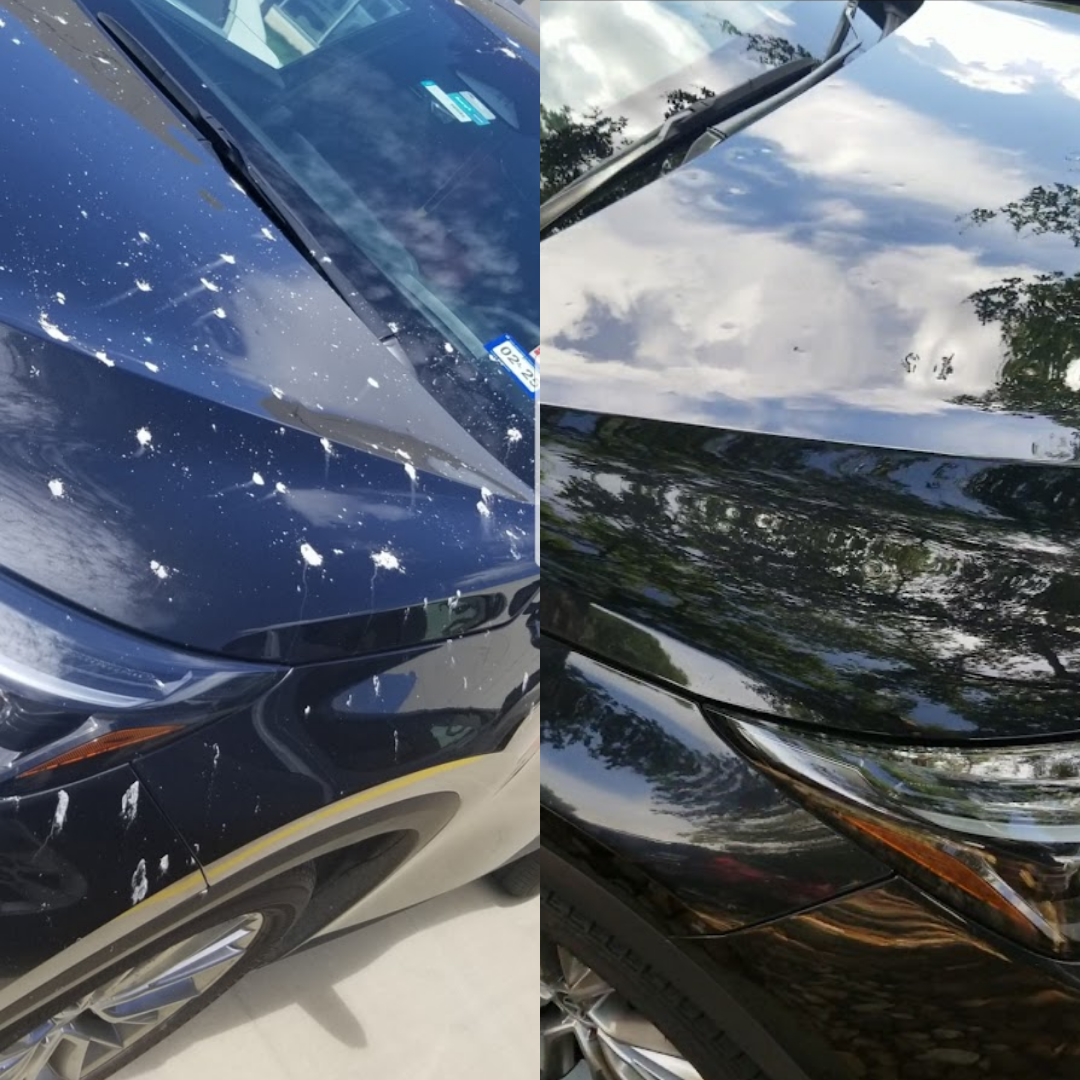
When your insured contractor — whether a painter, roofer, or industrial coater — causes an overspray or fallout incident, the resulting third-party claims can quickly escalate in cost. Before approving expensive repaint or replacement settlements, partner with Just Like New Overspray Removal (JLN) for a proven, cost-effective restoration solution. Our specialists restore affected vehicles and property surfaces to pre-loss condition, helping you minimize total claim payouts, reduce loss-of-use costs, and protect your insured’s reputation. The Cost-Effective Way to Resolve Overspray & Fallout Claims At JLN , we specialize in restoring damage caused by your insured’s projects — from commercial painting and roofing to large-scale industrial coating jobs. Our process eliminates the need for full repainting or costly replacements, providing insurers with an efficient alternative that delivers measurable savings. We expertly handle claims involving: Paint, Epoxy, & Spray Foam Overspray – From painters, roofers, and industrial coating projects. Industrial Fallout – Airborne debris such as cement dust, steel mill fallout, or construction residue. Asphalt & Tar Overspray – Common in paving, roofing, and municipal projects. Smoke & Soot Contamination – Resulting from industrial or construction incidents. And More – If it affects vehicles, property, or equipment, our specialists can restore it. Let our team assess the damage and provide a superior, claim-saving solution that keeps settlements fair and efficient. Faster Resolution for Complex or Multi-Claimant Incidents Large overspray and fallout incidents can affect dozens or even hundreds of vehicles or properties at once. With JLN, you gain a single, trusted partner capable of managing every aspect of the cleanup — from inspection to documentation to final restoration. We handle: All Vehicle Types – From standard autos to high-value RVs, boats, and commercial fleets. Residential & Commercial Properties – Including siding, windows, and exterior finishes impacted by overspray. Our coordinated response helps insurance carriers and adjusters achieve faster, smoother claim resolution — without the delays and disputes that come from multiple contractors or body shops. Key Benefits for Insurance & Claims Teams Drastically Reduce Claim Payouts: Our restoration methods preserve asset value and eliminate the need for costly repainting, body shop labor, or cash settlements. Nationwide Catastrophe Response: Our mobile overspray removal network is equipped to handle incidents anywhere in the U.S., ensuring consistent, professional service wherever your insured operates. Simplified Claims Management: We provide clear documentation, expert assessments, and direct communication with claimants — helping your team close files quickly and efficiently. Protect Your Insured’s Reputation: Our professional and courteous field teams ensure third-party claimants are satisfied, mitigating potential litigation and reputational damage for your insured contractor. Partner with the Overspray & Fallout Experts When an overspray or fallout claim arises, avoid unnecessary payouts and costly replacements. Let Just Like New Overspray Removal deliver the most efficient and economical solution available. Contact us today to discuss how our nationwide restoration network can support your next overspray or fallout claim.

Welcome to Just Like New Overspray Removal! Overspray on your vehicle can be a frustrating issue, affecting its appearance and potentially leading to long-term damage if not addressed properly. The key to effective overspray removal is doing so without harming the clear coat that protects your car's paint. In this blog, we'll provide a step-by-step guide on how to remove overspray from your vehicle while preserving the integrity of the clear coat. Understanding the Clear Coat The clear coat is a transparent layer of paint applied over the colored base coat of your car. It serves to protect the underlying paint from UV rays, environmental contaminants, and minor abrasions. Removing overspray without damaging this protective layer is crucial for maintaining your vehicle's appearance and value. Step-by-Step Guide to Safe Overspray Removal 1. Gather the Necessary Supplies Before you start, ensure you have the following supplies: Clay bar kit (includes clay bar and lubricant) Microfiber towels Car wash soap and water Detailing spray or quick detailer Polishing compound (optional) Car wax or sealant 2. Wash Your Vehicle Start by thoroughly washing your vehicle to remove any surface dirt and contaminants. Use a high-quality car wash soap and water, and rinse well. Dry your vehicle with microfiber towels to ensure it's clean and dry before proceeding. 3. Use a Clay Bar A clay bar is an effective tool for removing overspray without damaging the clear coat. Here's how to use it: Lubricate the Surface: Spray a generous amount of clay bar lubricant or detailing spray on a small section of your vehicle. The lubricant helps the clay bar glide smoothly over the surface. Mold the Clay Bar: Knead the clay bar into a flat, manageable shape. Gently Rub the Clay Bar: Lightly rub the clay bar over the lubricated section in a back-and-forth motion. You should feel the clay bar picking up the overspray. Continue until the surface feels smooth. Wipe with Microfiber Towel: Once the overspray is removed, wipe the area with a clean microfiber towel. Check Your Progress: Regularly check the clay bar for contaminants. If it becomes dirty, fold it to expose a clean surface or use a new piece of clay. 4. Polish the Surface (If Necessary) If any stubborn overspray remains after using the clay bar, you can use a mild polishing compound. Apply a small amount of the compound to a soft applicator pad and gently polish the affected area in circular motions. This step is optional and should be done carefully to avoid removing any clear coat. 5. Apply Wax or Sealant After successfully removing the overspray, protect the clear coat by applying a layer of car wax or sealant. This adds an extra layer of protection and enhances the shine of your vehicle. Follow these steps: Apply Wax or Sealant: Use an applicator pad to apply a thin, even layer of wax or sealant to the surface. Work in small sections to ensure full coverage. Allow to Cure: Let the wax or sealant cure according to the manufacturer's instructions. Buff with Microfiber Towel: Use a clean microfiber towel to buff the surface to a high shine. Tips for Preventing Overspray Cover Your Vehicle: If you know there will be painting or spraying nearby, cover your vehicle with a car cover or plastic sheeting. Park Strategically: Avoid parking near construction sites, industrial areas, or places where spraying activities are taking place. Regular Maintenance: Regularly wash and wax your vehicle to maintain its protective layers and make future overspray removal easier. When to Seek Professional Help While DIY methods can be effective, some overspray situations may require professional attention. If you're dealing with a large area of overspray or if DIY methods don’t yield the desired results, consider contacting a professional overspray removal service. At Just Like New Overspray Removal, we have the expertise and tools to safely and effectively remove overspray while preserving your vehicle's clear coat. Conclusion Removing overspray from your vehicle without damaging the clear coat is possible with the right tools and techniques. By following this guide, you can restore your car’s pristine appearance and protect its value. For more stubborn cases or professional results, don’t hesitate to reach out to Just Like New Overspray Removal.