Spray Foam, Epoxy, or Paint? 5 Ways to Keep Your Material Off the Cars
Whether you are applying spray foam insulation on a commercial roof, coating a marine vessel with heavy epoxy, or spraying standard architectural paint, efficiency is the name of the game. But as every veteran contractor knows, high-performance materials carry high-performance risks.
One sudden gust of wind can turn a profitable day into a logistical nightmare. And unlike standard house paint, materials like polyurethane foam and industrial epoxy cure instantly and adhere aggressively, making them incredibly difficult to remove without professional help.
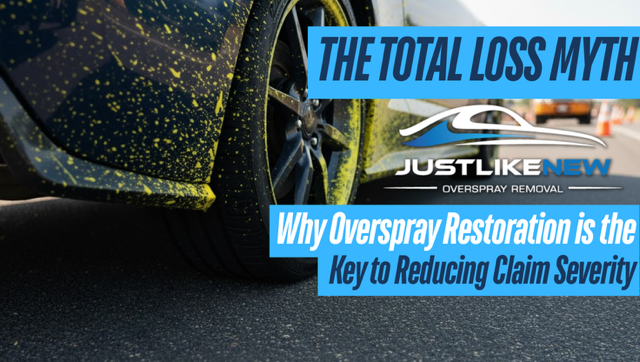
At Just Like New Overspray Removal, we’ve seen it all—from foam speckles on a dealership’s inventory to iron dust rusting on a white work truck. Here are 5 critical prevention tips to keep your next project profitable and claim-free.
1. Don’t Trust the Weather App
Most contractors check the weather app on their phone before starting the day. The problem? That data usually comes from the nearest airport, which could be 20 miles away.
- The Reality: Wind tunnels created by city buildings or open fields can create gusts far higher than the regional forecast.
- The Fix: Use a handheld anemometer on the actual job site. Establish a hard stop-work rule (usually sustained winds over 10-12 mph) and stick to it. If you are spraying lightweight materials like foam, your wind tolerance should be even lower.
2. Know Your Material’s "Air Time"
Different contaminants behave differently once they leave the nozzle.
- "Dry Fall" Paint: The myth is that it dries to a dust within 10 feet. In high humidity or cool temps, that droplet stays wet much longer, risking damage to cars 50+ feet away.
- Spray Foam: Foam is incredibly light and can drift hundreds of yards on a breeze. Worse, it cures immediately upon landing, bonding to clear coats instantly.
- Epoxy & Urethane: These heavier materials don't drift as far as foam, but they don't dry quickly in the air. They land wet and cure hard, often requiring specialized chemical removal.
Pro Tip: Always perform a test spray at the start of the shift to see how your specific material is behaving in the current humidity and temperature.
3. Expand Your Perimeter (The "Invisible" Drift)
You roped off the area directly under the lift. You covered the cars in the immediate lot. But did you check the dealership three blocks away?
- The Physics: The lighter the particle, the further it travels. We frequently handle claims where spray foam or industrial fallout (like cement dust or sandblasting residue) traveled over a quarter-mile before settling.
- The Fix: Before you trigger the gun, walk the deep perimeter. Look for high-risk targets downwind. If you can't move the cars, covering them is always cheaper than cleaning them.
4. Dial in Your Equipment
Overspray is essentially wasted money—material that you bought that didn't end up on the surface. Minimizing waste also minimizes risk.
- Check Your Tips: Worn spray tips distort patterns and increase "fines" (fog). Swapping out a cheap tip keeps your pattern tight.
- Watch the Pressure: Cranked-up pressure atomizes material into finer particles, which drift easier. Use the lowest pressure necessary to achieve a good application.
5. Have a Remediation Plan Before You Spray
Even with the best containment and planning, accidents happen. The difference between a minor hiccup and a lawsuit is how you handle it.
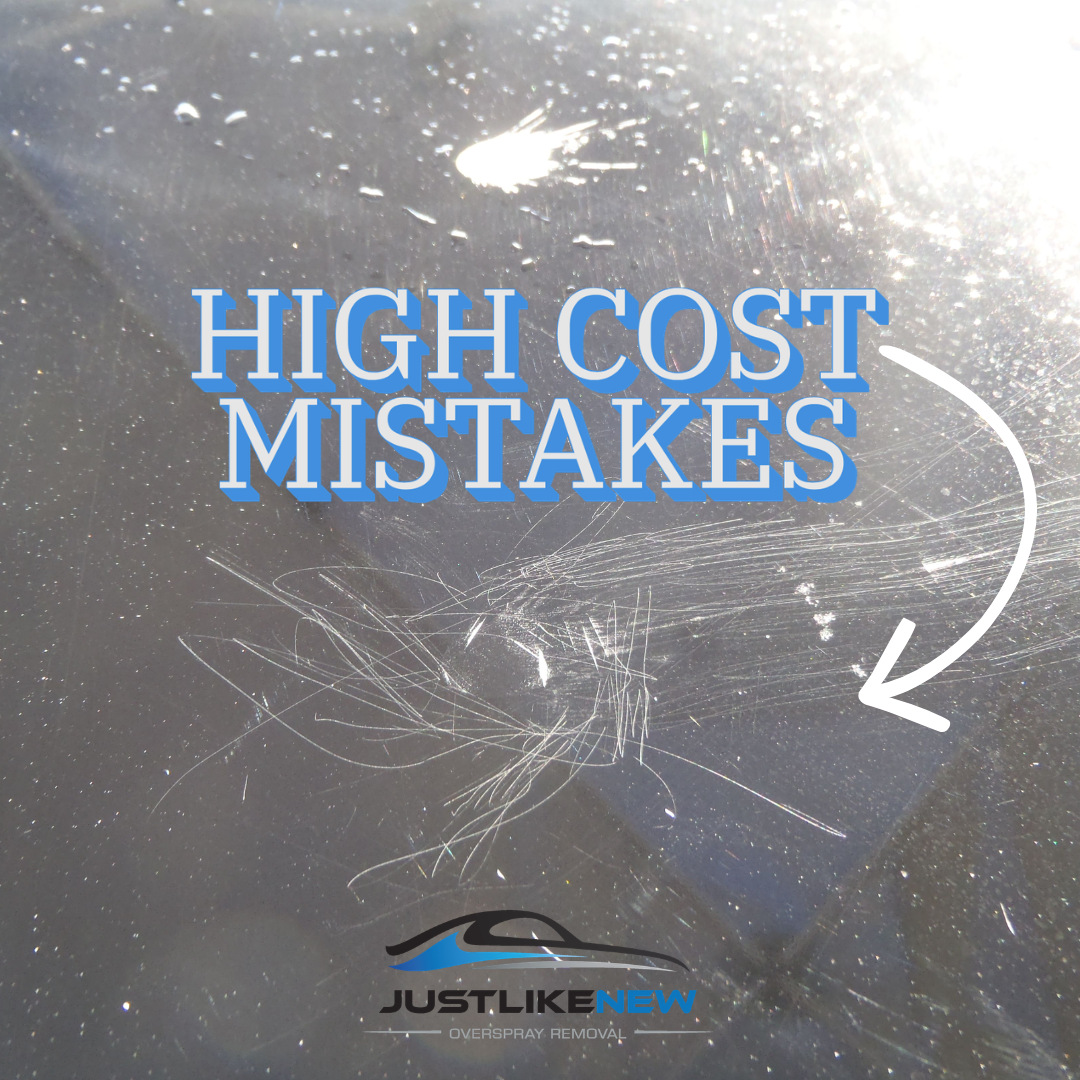
- The Mistake: When crews see epoxy or foam on a car, they panic. They often try to scrub it off with solvents, razor blades, or kitchen scrubbers. This is where the real damage happens. You can easily scratch the clear coat or burn the paint, doubling the cost of the claim.
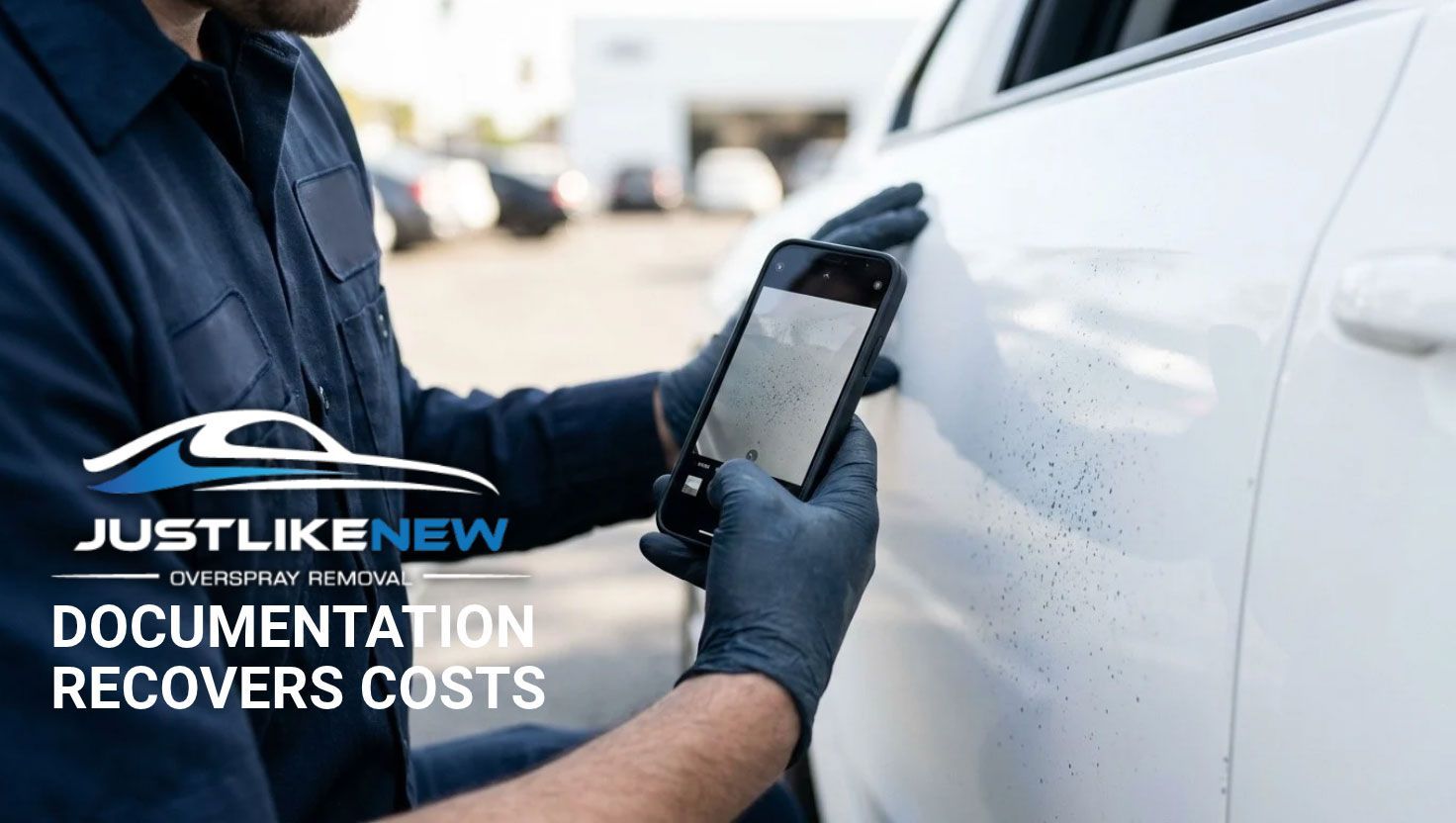
- The Solution: If you notice overspray, stop. Do not attempt to scrub it. Document the damage and call a specialist immediately.
Partner with the Experts in All Contaminants
You are the expert in applying coatings; we are the experts in removing them when they go astray.
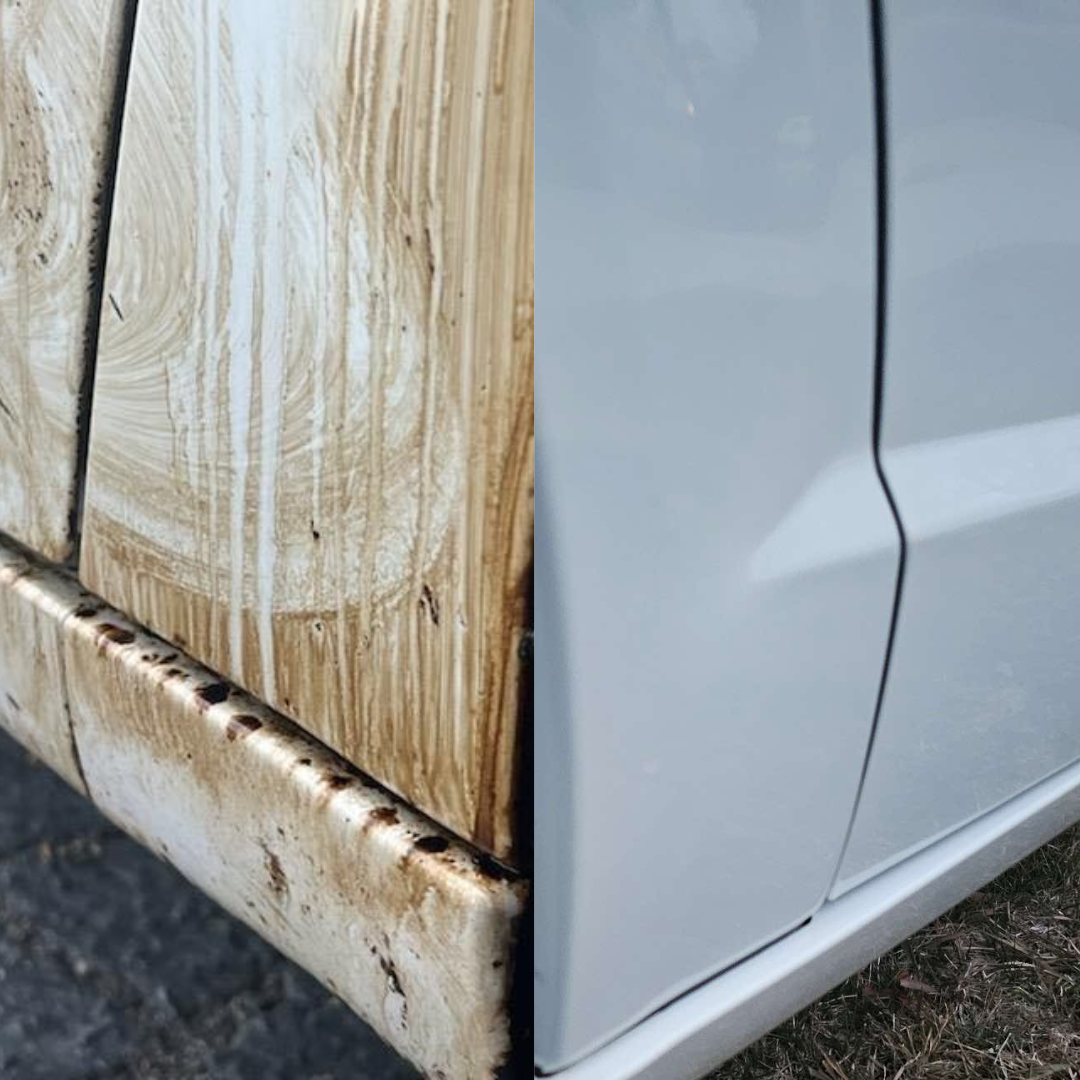
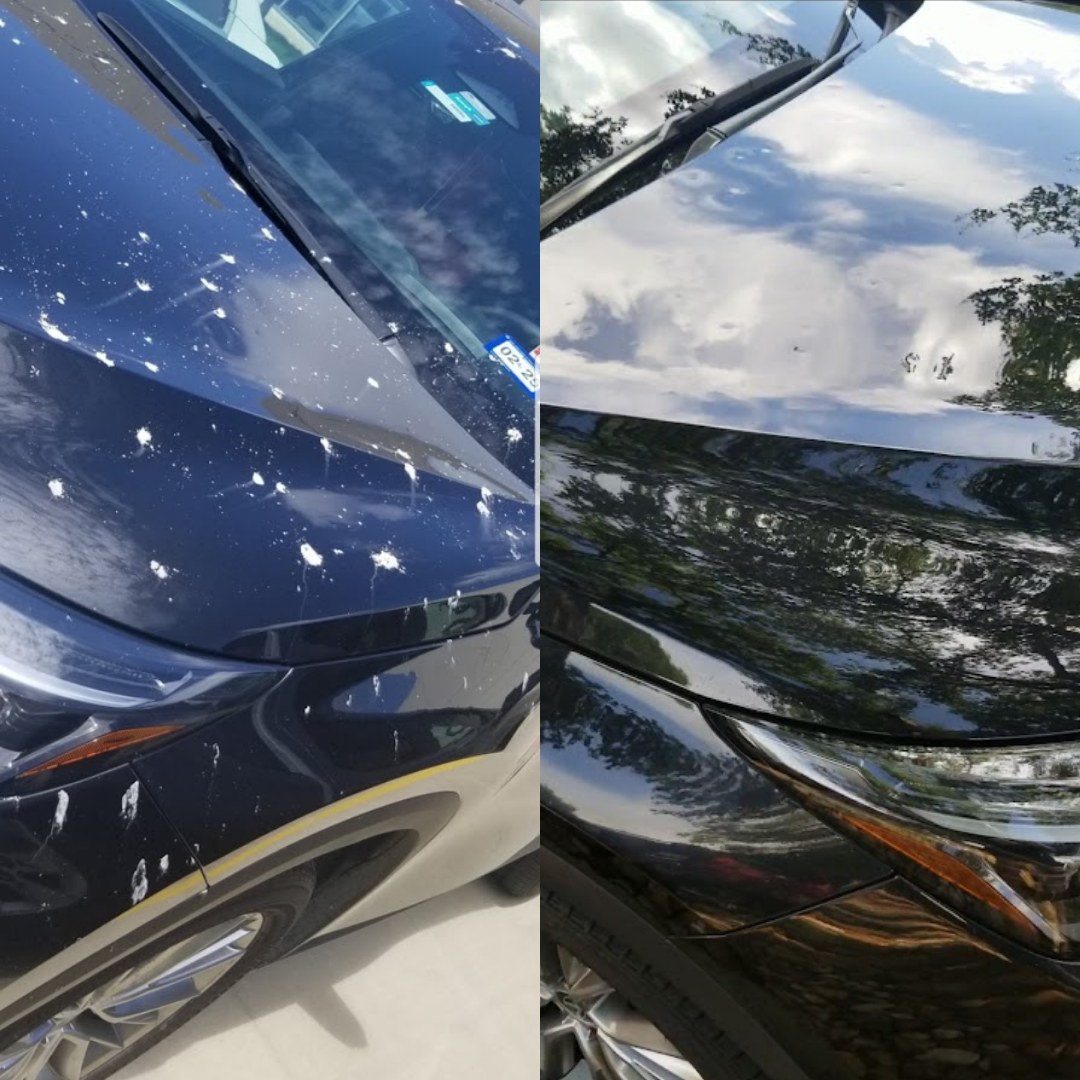
Just Like New Overspray Removal provides nationwide, rapid-response cleaning. We don't just wash cars; we use proprietary techniques to safely remove the toughest bonded contaminants—including cured spray foam, epoxy, and concrete—without sanding or repainting.
Keep our number saved for your next project. It’s the best insurance policy you can carry in your pocket.
Contact JLN Today | 1-866-746-1445